
Long-term asset tracking has a quiet problem that most operators only talk about when something goes wrong. A container vanishes for three weeks. A flatbed sits in a yard nobody flagged. A reefer drifts off-route, and the battery in the tracker dies before anyone notices. Solar GPS tracking devices try to fix that gap. The promise sounds simple. Stick a unit on a non-powered asset, walk away for a decade, and still get location data when you need it. The reality, perhaps, is more interesting than the marketing suggests.
This post looks at where these devices actually earn their keep and where the limits sit.
The battery problem nobody wants to talk about
Most fleet trackers run on lithium cells. They last around eighteen months if you ping hourly, less if you ping more often. For powered vehicles, that is fine. The solar GPS tracking device hardwires into the alternator and forgets the battery exists.
Containers, trailers, IBCs, rail wagons, and yard equipment do not have alternators. They sit. They move. They sit again. A tracker on one of these assets either runs cold and reports rarely or runs hot and dies fast.
You then face a choice nobody enjoys. Send a technician to a port in Antwerp to swap a battery. Or accept that your visibility on that container drops to zero until the asset comes home, if it ever does.
Solar changes the maths. With a small panel and a buffer cell, the unit harvests light during the day and pings as often as your operations team wants. Ten years of tracking is no longer a spec sheet claim. It becomes a working assumption.
Where solar tracking actually fits
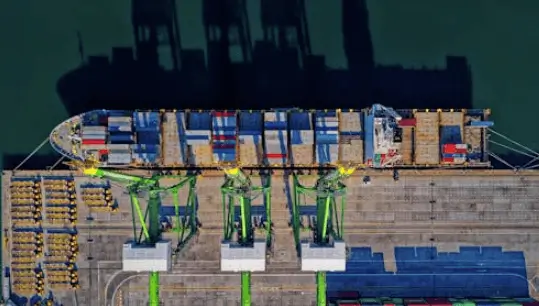
Not every asset suits a solar unit. Containers stacked five high in the middle of a vessel get no light for weeks. Rail wagons in covered sidings face the same issue. The buffer cell handles short blackouts. Long ones, perhaps not.
Still, the maths work for most operators because tracking does not need to be constant. It needs to be reliable when the asset is exposed.
Solar GPS tracking devices tend to earn their keep on:
- Shipping containers in open stacks and on deck
- Intermodal chassis and trailers
- Rail wagons and tank cars on open routes
- Yard equipment and non-powered plant
- Project cargo and oversized loads on long sea legs
The pattern is the same. Long deployment cycles. Low maintenance access. High cost of failure when an asset goes missing.
See also: The Real Cost of Putting Off Water Heater Repair in Arizona
The fears worth thinking about
There is a number floating around insurance circles that puts annual cargo theft losses globally at over fifty billion US dollars. The exact figure shifts by source, but the point holds. A single misplaced container costs more than a fleet of trackers ever will.
Now, picture the audit conversation. A claim assessor asks for a chain of custody log on a high-value shipment. You have GPS pings up to the point the battery died, then nothing for eleven days. The insurer disputes the claim. The shipper goes quiet. The contract renewal goes quiet, too.
Solar GPS tracking devices remove that single point of failure. The data trail does not stop because a cell ran out.
Total cost of ownership, honestly
A solar unit costs more upfront than a basic battery tracker. That is the trade. What you save sits in the operational column.
No battery replacements. No technicians dispatched to remote yards. No assets going dark for months and resurfacing in a port nobody booked. No procurement cycles every two years to replace a fleet of dead units.
For a fleet of ten thousand containers, the unit price gap closes within three years. After that, the solar fleet just keeps reporting while the battery fleet starts piling up replacement orders.
What about the environmental side
Lithium cells are not friendly to landfills. The world generates around forty million metric tons of electronic waste each year, and only a small share gets recycled properly. A tracker model that throws away a battery every eighteen months adds to that pile.
Solar GPS tracking devices reduce the number of cells leaving the supply chain. They also cut the carbon footprint tied to manufacturing replacement units. For shippers reporting Scope 3 emissions to clients or regulators, that data point matters more each year.
It is not the headline reason to switch. It is, perhaps, the reason that closes the deal when finance and procurement disagree.
A few questions worth asking your supplier
Before you sign anything, push for clear answers on:
- Real-world battery buffer time during low-light periods
- Data refresh rates under different solar conditions
- Network coverage across your actual trade lanes
- Historical failure rates over five years and beyond
- Returns and refurbishment options at the end of life
If a vendor cannot answer any of these without a follow-up call, walk away. The technology is mature enough that solid suppliers have the data ready.
Long-term asset tracking is a quiet line item until it is not. Solar GPS tracking devices give you a way to keep that line quiet for a long time.


 By
By