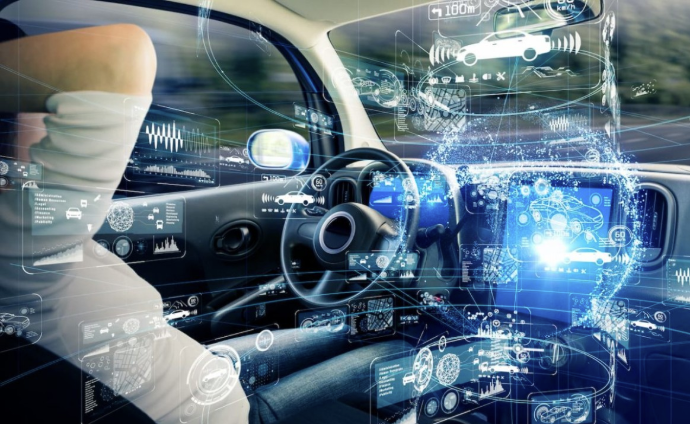

Artificial intelligence plays a crucial role in the functionality of self-driving cars. It enables these vehicles to process extensive data through advanced machine learning techniques. By employing computer vision, they navigate and make decisions in real-time. However, the journey toward fully autonomous vehicles is fraught with challenges, including sensor limitations and ethical considerations. As advancements continue, one must consider how these developments will shape the future of transportation. What lies ahead in this evolving landscape?
Understanding the Basics of AI in Self-Driving Cars
As self-driving cars continue to evolve, understanding the foundational role of artificial intelligence (AI) becomes crucial for grasping their operational mechanics.
Central to this technology are machine learning algorithms that enable vehicles to learn from data, improving their decision-making over time.
Additionally, computer vision systems allow them to perceive their environment, ensuring safe navigation and enhancing the driving experience, ultimately paving the way for greater autonomy.
Key Technologies Powering Autonomous Vehicles
The landscape of autonomous vehicles is intricately woven with advanced technologies that drive their functionality and safety.
Central to this evolution are sensor fusion and machine learning. Sensor fusion integrates data from various sensors, creating a comprehensive understanding of the environment.
Meanwhile, machine learning algorithms enable vehicles to learn from experiences, enhancing decision-making processes and paving the way for safer, more reliable transportation solutions.
See also: Artificial Intelligence in Financial Services
Despite the promising advancements in sensor fusion and machine learning, the journey toward fully autonomous vehicles is riddled with significant challenges.
Sensor limitations hinder accurate navigation, while ethical dilemmas complicate decision-making. Safety regulations vary widely, impacting development. Data privacy concerns create distrust, and infrastructure compatibility remains a hurdle.
Ultimately, public perception shapes acceptance, making these challenges critical to the future of self-driving technology.
The Future of AI and Transportation: What to Expect?
While advancements in artificial intelligence continue to reshape various sectors, the transportation industry stands at the forefront of this transformation.
Future developments in self-driving cars will hinge on robust regulatory frameworks that ensure safety and efficiency.
Simultaneously, public perception will play a crucial role in adoption, as societal trust in AI technology shapes the landscape of autonomous transportation solutions.
Conclusion
As AI continues to evolve within the realm of self-driving cars, it is noteworthy that studies project a potential reduction of up to 94% in traffic fatalities through full vehicle automation. This statistic underscores the transformative power of AI, not only enhancing navigation and decision-making but also addressing critical safety concerns. Despite the challenges ahead, the journey toward fully autonomous vehicles promises a future where transportation is safer, more efficient, and fundamentally redefined.


 By
By