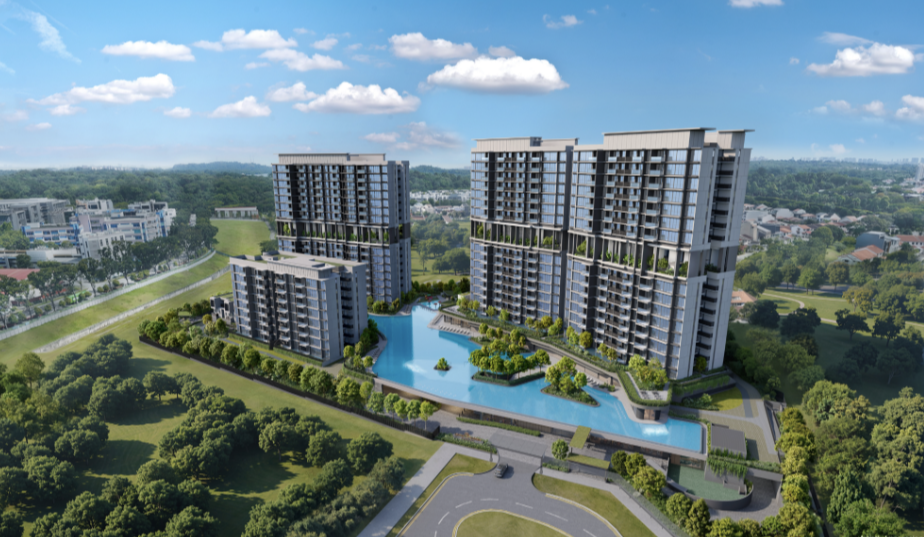

Singapore’s real estate market remains a top destination for domestic and international investors seeking stable capital growth. With numerous new launches entering the market each quarter, choosing the right property requires a systematic framework. From master-planned suburban enclaves like Lentor Garden Residences to established premium districts, buyers must look beyond glossy brochures. Evaluating a project involves analyzing future infrastructure, developer track records, and entry prices relative to the surrounding district. This guide outlines the essential criteria you need to compare Singapore’s new residential developments objectively, ensuring your capital goes toward a high-performing asset rather than an overpriced trend.
Assessing Location and Regional Master Plans
The primary driver of long-term real estate appreciation in Singapore is the Urban Redevelopment Authority (URA) Master Plan. When comparing new projects, you must look at what the government plans to build around the site over the next ten to fifteen years. For example, a development situated near a future transit interchange or a newly designated commercial hub will experience higher capital growth than an isolated project in a mature estate. You want to buy into areas undergoing active transformation rather than places that have already peaked in value.
Analyzing Growth Corridors
Consider how the neighborhood connects to major transport networks. New estates like Lentor Garden Residences benefit immensely from the Thomson-East Coast Line, which connects suburban residents directly to the Central Business District. Similarly, looking at established areas near the Thomson Reserve region reveals how proximity to nature reserves and reputable schools helps maintain high rental demand. When evaluating locations, map out the walking distance to the nearest MRT station, the density of nearby commercial amenities, and the presence of primary schools within a one-kilometer radius. These factors directly dictate your future tenant pool and exit strategy liquidity.
Analyzing Unit Layouts and Efficiency
Comparing projects solely on a per-square-foot (PSF) basis can lead to costly mistakes. Two units with the same square footage can feel completely different depending on the floor plan efficiency. Modern buyers prioritize functional layouts that minimize wasted space. When reviewing floor plans, look closely at the size of the foyer, long corridors, and oversized balconies, as these areas consume salable space without adding daily functional value. A well-designed dumbbell layout, which places bedrooms on opposite sides of the living room, eliminates unnecessary hallway space and increases privacy.
Comparing Unit Mix and Layout Features
When comparing layouts, look for specific architectural features that enhance daily living and long-term value. Prioritize properties that offer:
● Dumbbell layouts that eliminate long, unusable hallways.
● Regular, squarish rooms that make furniture placement straightforward.
● Enclosed kitchens with natural ventilation for heavy cooking.
● Minimal structural pillars inside the unit to allow future floor plan customization.
Additionally, check the estimated share value assigned to your unit. Share value determines your monthly maintenance fees. High-end developments with extensive water features can carry steep monthly maintenance costs, which eat into your net rental yield over time.
Evaluating Developer Track Record and Construction Quality
Not all developers operate with the same standards of execution and financial stability. Before committing capital, research the track record of the consortium behind the project. Established developers with a history of delivering high-quality residential projects often command a premium in the resale market because buyers trust their construction standards. You can assess a developer’s reliability by looking at their past completed projects in Singapore. Inspecting older developments in the Thomson Reserve area, for instance, can give you a clear picture of how well a developer’s buildings age over a decade or more.
Understanding Quality Benchmarks
The Building and Construction Authority (BCA) in Singapore provides objective metrics to evaluate construction quality. Look up the developer’s Construction Quality Assessment System (CONQUAS) scores and Quality Mark ratings. These metrics evaluate workmanship in architectural finishes, plumbing, and structural integrity. A high CONQUAS score indicates that the developer consistently delivers units with minimal defects. Purchasing from a reputable developer also minimizes the risk of construction delays, which can disrupt your financial planning and delay your rental income stream. Investing in a project backed by a joint venture of reputable, well-capitalized firms provides peace of mind.
Price Comparison and Financial Stress Testing
To determine if a new launch is priced fairly, you must conduct a detailed comparative market analysis (CMA). Compare the launch price of your target development with recent transaction prices of neighboring resale condominiums. While new launches naturally command a premium due to fresh lease terms and modern facilities, this price gap should remain reasonable. If the premium exceeds thirty percent, the room for capital appreciation in the medium term may be limited. Analyzing the historical price performance of projects near Lentor Garden Residences can show you how local price floors behave during market shifts.
Running the Financial Numbers
Beyond the purchase price, stress-test your finances against changing economic conditions. Calculate your potential rental yield using conservative rental estimates based on current transactions in the immediate vicinity, such as the Thomson Reserve enclave. Factor in prevailing mortgage interest rates and run scenarios where rates rise by one or two percentage points. Ensure that your Total Debt Servicing Ratio (TDSR) remains well within safe limits. A robust financial model should account for property taxes, agent commissions, and potential vacancy periods, ensuring that you can comfortably hold the asset through various market cycles without being forced to sell prematurely.
Conclusion
Investing in Singapore’s residential market requires a balanced approach that combines long-term vision with rigorous data analysis. By systematically comparing regional master plans, unit layout efficiencies, developer track records, and financial entry points, you can identify properties that offer genuine value. Projects situated in high-growth corridors stand out as excellent examples of forward-planning integration, but every potential investment must stand on its own financial merits. Avoid making emotional decisions based solely on showflat aesthetics. Instead, rely on objective metrics, stress-test your mortgage commitments, and align your purchase with Singapore’s broader urban development trajectory to secure an asset that protects and grows your wealth over the long term.


 By
By