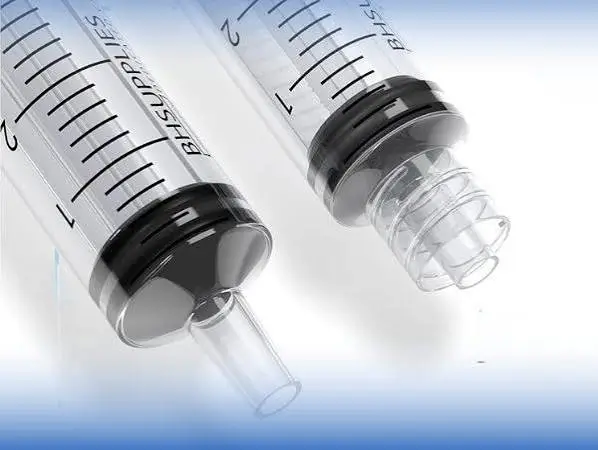

While luer lock designs receive considerable attention for their enhanced security features, luer slip connectors continue serving important clinical roles where their particular design characteristics genuinely align with specific application requirements.
The Practical Value of Friction-Fit Simplicity
The basic luer slip design, relying on precise tapered friction fit without additional threading mechanism, offers genuine practical advantages for applications where rapid, frequent connection and disconnection matters more than the additional security margin luer lock threading provides.
Applications Where Speed of Connection Matters
Certain clinical scenarios involving frequent, rapid connection changes, where the connection duration for any single attachment is brief and the associated pressure or handling stress is modest, can genuinely benefit from luer slip’s faster connection and disconnection compared to the additional time luer lock threading requires.
Maintaining Appropriate Connection Security Despite Simplicity
While lacking luer lock’s threaded mechanism, properly manufactured luer slip connectors still provide reasonably secure connection for appropriate applications when correctly engaged, with connection reliability depending significantly on precise manufacturing tolerances in the tapered fitting geometry.
Recognizing When Luer Slip Isn’t Appropriate
Clinical staff and procurement teams need clear understanding of when luer slip’s connection security, while adequate for many applications, isn’t sufficient for higher-risk scenarios involving elevated pressure, extended connection duration, or situations where accidental disconnection would create meaningful clinical consequences, in which case luer lock represents the more appropriate choice.
Manufacturing Precision Requirements for Reliable Luer Slip Performance
Given that luer slip connections depend entirely on friction fit without mechanical locking backup, manufacturing precision in achieving correct tapered dimensions becomes particularly important, since any deviation from proper specification could more readily compromise connection reliability compared to luer lock designs where the threading provides some additional security margin even if the basic taper fit isn’t perfectly precise.
Cost Efficiency Considerations
Luer slip components often carry modest cost advantages compared to luer lock alternatives in certain product categories, making them a reasonable choice for high-volume, lower-risk applications where this cost efficiency provides genuine practical value without compromising appropriate safety standards for the specific use case.
Training on Appropriate Luer Slip Application
Clinical education should help staff understand appropriate applications for luer slip devices, ensuring confident, correct use where this design genuinely suits the clinical task, while maintaining clear understanding of when luer lock’s additional security becomes clinically necessary instead.
Conclusion
Luer slip connectors continue serving valuable clinical roles where their design simplicity and connection speed genuinely align with specific application requirements, provided appropriate manufacturing precision and thoughtful application-specific selection guide their use. Understanding both the value and limitations of this connector type supports informed clinical practice and procurement decision-making.
FAQs
Q1: What genuine advantages does luer slip design offer compared to luer lock? Faster connection and disconnection without threading requirements, making it well suited to applications involving frequent, rapid connection changes with modest security requirements.
Q2: Why does manufacturing precision matter particularly for luer slip connectors? Since these connections rely entirely on friction fit without mechanical locking backup, precise tapered dimensions become especially important for reliable connection performance.
Q3: When should luer lock be chosen instead of luer slip? Higher-risk scenarios involving elevated pressure, extended connection duration, or situations where accidental disconnection would create meaningful clinical consequences warrant luer lock’s additional security.


 By
By