
The first yoga class is harder than people expect. Everyone else already knows where their feet go. The teacher tosses out Sanskrit terms with no explanation. Transitions move faster than a new body can keep up with, and by twenty minutes in, you’ve quietly realized you’ve been holding something wrong this entire time without anyone telling you. That whole experience drives many would-be practitioners straight back out the door. They tried, they decided it wasn’t for them, and now they’re doing yoga apps at home or some YouTube channel instead. The studio loses a client who could have been there for years. The person loses access to the one thing apps can’t really replicate: somebody watching the alignment in real time and helping fix it.
The alignment piece isn’t aesthetic. It isn’t about looking like the Instagram version of a pose. What it’s actually about is putting the body into positions where the stretching and strength work happens in the right tissues, with no chronic strain landing on knees, lower backs, shoulders, or wrists. Months of slightly off downward dogs grind shoulder joints. Years of slightly misaligned warriors stress knees. Tiny pelvic rotations affect every standing pose. Some studios teach this stuff carefully and slowly. Others assume newcomers will sort it out on their own. So, a yoga studio in San Diego newcomer can usually tell the difference within a handful of classes, before anything gets injured.
San Diego has several yoga studios scattered across different neighborhoods. Tranquil Tree Yoga is one of the Yoga Studio San Diego options in Pacific Beach for newcomers seeking alignment-focused beginner work. Nothing here recommends any one studio. What’s ahead is a walkthrough of what accessible beginner formats actually involve, what newcomers should expect from a real one, and how to tell whether a studio is built for teaching beginners or just running them through the door.
What Alignment Means in a Yoga Class
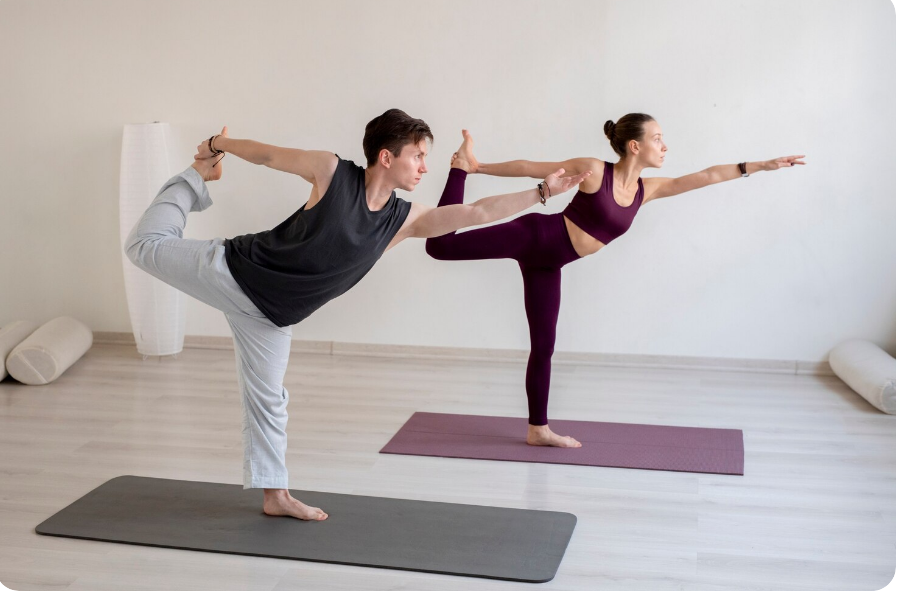
Alignment is just the precise positioning of the body in each pose so that the structural load travels through the bones and joints as they’re built to handle. Specifics matter. Feet at hip-width in downward dog. Not closer. Not wider. Knees stacked over ankles in low lunges. The tailbone is either tucked or untucked depending on the pose. Shoulders rolled away from the ears rather than being hiked up toward them. Gaze direction in each pose. Weight distribution across each foot.
Correctly aligned poses feel grounded. The intended muscles do their work. Breath stays steady. Off-alignment leads to compensation patterns in which the wrong muscles end up doing the job, and tiny misalignments stack up into chronic strain after enough repetition.
See also: How Do TP Global Operations Australia Support Business Growth?
Why Beginners Need Alignment-Focused Classes
A peer-reviewedsystematic review of adverse events associated with yoga makes the explicit recommendation that yoga be practiced carefully under the guidance of a qualified instructor, with beginners specifically advised to avoid extreme practices (headstands, lotus position, forceful breathing) until the foundations are solid. This matters more in the first months than at any other stage of practice. Habits formed during those early classes become muscle memory pretty quickly. Unlearning them later takes considerably longer than learning them properly would have in the first place. So beginners genuinely benefit from formats where instructors actively watch, correct, and make modifications in real time.
Someone with a year of experience can hear a verbal cue and adjust their own body. Newcomers often can’t hear the cue at all, hear it but don’t grasp what it means, or apply it incorrectly, believing they’re doing it right. So a format that works fine for an experienced practitioner in a flowing vinyasa class with minimal hands-on correction does not translate to someone completely new. They need a different kind of room.
Beginner-Friendly Formats
The names studios use vary, but the formats themselves are pretty recognizable across studios. Gentle or restorative yoga moves slowly, leans heavily on props, and works on alignment in long-held poses. Yin yoga keeps people in passive shapes for several minutes at a time, targeting connective tissue rather than muscle, with alignment cues built into the holds. Traditional Hatha (the slower kind, not the rebranded faster kind) goes pose-by-pose without flow sequencing, leaving room for actual instruction.
Beginner classes usually carry that label outright. They cover foundational poses in depth rather than cycling through dozens of shapes per session. Pacing leaves room for instruction. Class sizes tend to be smaller. Foundational poses recur across multiple classes, so newcomers actually deepen what they’re learning rather than seeing new shapes every single week.
Studios offering nothing in this category, just intermediate-level vinyasa flow all week, aren’t really set up for beginners. Whatever the marketing says.
Props and Modifications
Props (blocks, straps, bolsters, blankets, the occasional chair) are tools that let poses actually happen on bodies that aren’t open enough yet to do them without. A block under the hand during triangle pose keeps the spine long instead of pulled sideways. A strap around the foot in a seated forward fold keeps the back from rounding. A bolster under the knees during savasana lets the lower back drop rather than stay locked up.
Beginner classes rely heavily on props and teach newcomers how to set them up. Walking past the prop wall on day one is missing the point entirely. They aren’t compensating for weakness or showing anything embarrassing. They’re letting the pose actually be the pose while the body slowly opens enough to do it without eventually.
Common Beginner Alignment Mistakes
A quick list of the alignment problems nearly every newcomer makes without any awareness that it’s happening. Locked-out knees in standing poses. Shoulders collapsing into the neck during plank or downward dog. Tailbone tucked too far forward in standing poses. Knees caving inward during warrior shapes. Holding breath during harder holds. Lower back rounding in seated forward folds. Hyperextended elbows during plank or upward dog. Eyes glued to the mat instead of where the gaze actually belongs in each pose.
A teacher who catches these things early and corrects them is doing the foundational work that determines whether someone ends up with a healthy, long-term practice or chronic shoulder, knee, or lower back trouble after a couple of years. Studios that genuinely commit to teaching beginners do that work in their beginner-format classes. That’s where the difference really shows up.


 By
By