
Most backyard ponds sit quietly, doing very little. The water holds flat, the edges blur into the surrounding lawn, and the whole space feels more like an afterthought than a destination of choice. It’s easy to overlook until you’ve stood beside one that simply doesn’t hold your attention. Something is clearly missing, and that gap tends to matter more than most people expect.
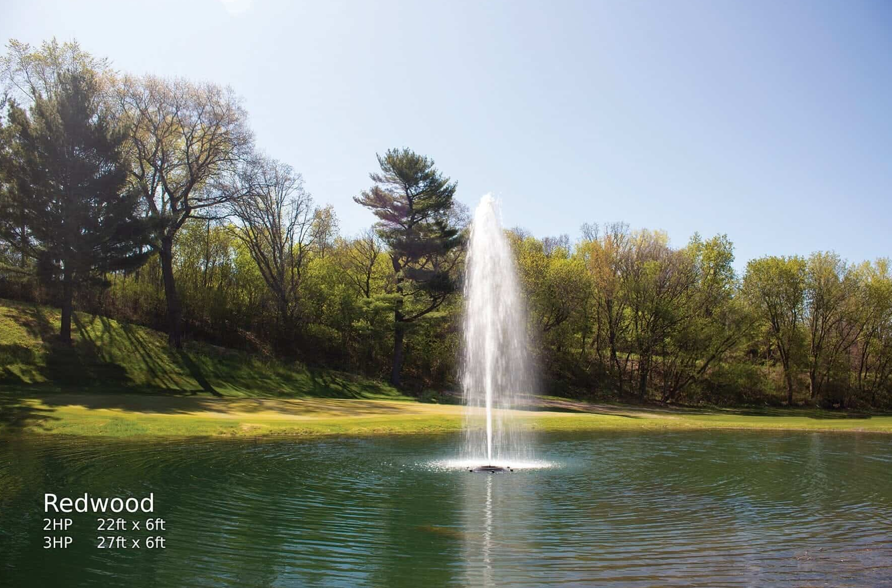
A floating fountain creates a dynamic, visually commanding centerpiece that elevates the entire outdoor environment, improving water quality while adding constant movement and natural sound. Pond owners who invest in the right unit consistently report a shift that feels immediate. The space stops looking passive and starts commanding attention in exactly the way a well-designed outdoor area should.
When Still Water Starts Working Against You
Stagnant Conditions and Their Quiet Cost: Without circulation, pond water deteriorates faster than most owners expect. Algae spreads across the surface, organic matter accumulates and decomposes at the bottom, and the odor that follows is difficult to ignore. The visual result is a pond that looks neglected regardless of how much care surrounds it. Still water, left alone long enough, quietly works against the space it was meant to enhance.
The Ripple Effect on Property Perception: A pond that smells or looks green doesn’t just affect the water. It pulls attention away from everything nearby: garden beds, patio furniture, outdoor seating. Visitors notice these details even when they say nothing. A backyard that could feel like a private retreat ends up feeling like an ongoing maintenance problem, which is a frustrating result for something intended to add real character to the property.
Movement, Sound, and the Shift Nobody Expects
Sound as a Design Element Worth Taking Seriously: Water movement introduces a sound that no landscape design can easily replicate. The gentle spray from a fountain creates soft, layered noise that masks traffic and outdoor distractions. That acoustic shift changes how a space feels to spend time in. It’s subtle, perhaps, but the effect on relaxation and general comfort is something most people notice within minutes of sitting nearby.
Visual Rhythm That Turns a Pond Into a Focal Point: A still pond gives the eye nowhere to land. A fountain with an active spray pattern creates constant, rhythmic movement that holds attention without overwhelming it. The spray rises and falls in a natural cycle, which turns the pond into something worth watching. That quality is what separates a backyard that feels complete from one that still feels like it’s missing something deliberate.
The Science That Makes the Aesthetic Work
Hydrodynamic Circulation and Long-Term Pond Health: Hydrodynamic circulation driven by a fountain pump keeps the entire water column active rather than just the surface layer. This matters because stagnant zones at different depths develop uneven temperature and oxygen levels, which stresses aquatic life and encourages persistent algae growth. A fountain that circulates water consistently prevents those zones from forming, making the pond cheaper and easier to manage across the seasons.
Dissolved Oxygen and What It Means for Your Pond: Increased surface agitation from a fountain raises dissolved oxygen levels throughout the water, which supports fish health and reduces the anaerobic conditions that cause unpleasant odor. The benefits go well beyond appearance. A pond with healthy oxygen levels needs fewer chemical treatments, experiences less algae pressure, and holds clearer water through more of the year without extraordinary effort from the owner.
The Factors That Determine Whether a Fountain Actually Delivers
Choosing the Right Fit for Your Pond: Not every fountain suits every pond, and making the wrong choice leads to results that genuinely disappoint. A unit that’s too small won’t create enough movement to matter. One that’s oversized can disturb sediment and stress aquatic life. The right size depends on surface area, water depth, and what the pond is expected to support. It’s a decision worth approaching carefully and with some research.
A few key factors make a meaningful difference when selecting and positioning a fountain:
- Spray height should be roughly proportional to pond width, keeping water falling back within the boundary and preventing loss to surrounding areas.
- Motor wattage determines circulation capacity, so matching it to pond volume prevents the pump from underperforming or overworking over time.
- Float design affects stability during wind or rainfall, which matters in climates with unpredictable outdoor conditions across warmer months.
- Placement near the pond’s center maximizes surface coverage and creates a balanced, visually appealing spray effect throughout the day.
- LED lighting options, available on many units, extend the fountain’s visual impact into evening hours without requiring a separate installation.
Maintenance Expectations and Real-World Upkeep: A floating fountain does require some attention, though far less than most people assume before installing one. The pump screen needs periodic cleaning to prevent clogging, and seasonal removal is worth considering in colder climates where ice poses a real risk. Beyond that, upkeep stays minimal. Most owners find the time investment modest compared to the consistent improvement the fountain brings to the overall space.
See also: From Startup to Scale: Building a Business Around DTF Transfer Printing
Where the Backyard Goes From Here
A backyard pond that once felt static and forgettable can become the most compelling and attractive feature of an outdoor space. Movement, sound, and improved water quality create a shift that genuinely changes how people use and enjoy the area around them. If your pond has been sitting idle and underperforming, explore the floating fountain options available today and find the one that fits your pond size, your budget, and your goals.


 By
By