
Workplace drug testing is a practical necessity for organizations that prioritize safety, productivity, and regulatory compliance. The challenge for many HR and safety managers is choosing the right testing format: how many substances to screen for, which detection technology to use, and how to build a program that stands up to scrutiny if results are ever challenged. Multi-panel urine drug testing cups have become the dominant format for good reason, and higher-panel configurations have become increasingly relevant as the range of substances in circulation has widened.
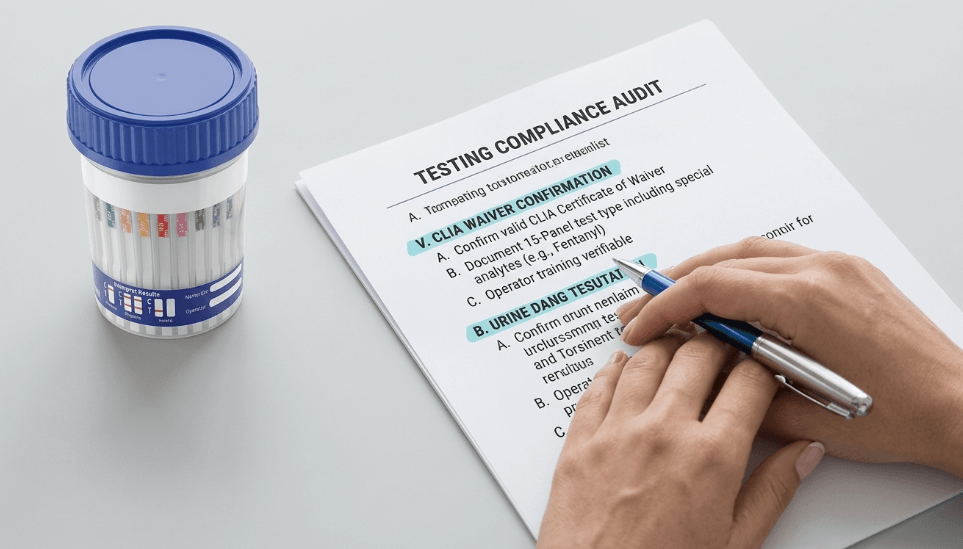
A drug testing cup tests for multiple substances simultaneously using a single urine sample. The panel count indicates how many substances are included in the screen. A 5-panel cup covers the classic federally mandated substances. Higher configurations extend that coverage to additional prescription drug classes, synthetic opioids, and alcohol metabolites that a basic screen would miss entirely.
The Case for Broader Screening
The substances causing the most workplace incidents today are not the same ones that dominated two decades ago. Prescription opioid misuse, benzodiazepine dependence, synthetic opioids like fentanyl, and the increased use of methamphetamine have reshaped what employers in safety-sensitive industries need to detect. A narrow panel that was adequate years ago now leaves significant detection gaps for organizations that have not updated their testing protocols.
14 panel cups allow organizations to screen for a comprehensive range of substances in a single test event, including substances like ETG (a biomarker for recent alcohol consumption), fentanyl, oxycodone, and buprenorphine alongside the standard panel. This breadth is particularly relevant for industries where impairment from any substance represents a serious safety risk.
Practical Advantages of Cup-Based Testing
The physical design of a self-contained test cup provides operational advantages beyond panel coverage. The integrated collection and testing format reduces handling steps, limits the opportunity for sample adulteration, and delivers results in a matter of minutes without laboratory equipment. For organizations testing on-site, at job sites, or in remote locations, this simplicity has real operational value.
Temperature strips built into most cups allow administrators to verify sample validity immediately, and adulteration detection panels add another layer of integrity checking. These features support the legal defensibility of the testing program without adding complexity to the process.
Building a Policy That Supports the Testing Program
A drug test cup is only as effective as the program surrounding it. A written drug and alcohol policy that clearly defines when testing occurs, what consequences follow positive results, and how employees can access help sets the expectations that testing enforces. Pre-employment, random, post-incident, and return-to-duty testing serve different purposes within a comprehensive program.
Training for test administrators ensures consistent collection procedures and proper interpretation of results. Even a well-designed cup can produce legally problematic outcomes if collection procedures are inconsistent.
See also: Group Health Insurance Policy: Coverage Explained
FAQ
What is the difference between a 12-panel and a 14-panel drug test cup? A 14-panel cup tests for more substances than a 12-panel, typically adding fentanyl and ETG or other additional panels to extend coverage of synthetic opioids and recent alcohol use.
How long does ETG remain detectable in urine? ETG is detectable for approximately 80 hours after alcohol consumption, making it a more sensitive marker of recent use than traditional alcohol panels.
Are results from multi-panel cups admissible in employment decisions? Presumptive positive results should be confirmed by laboratory analysis before employment action is taken. The process, from collection to confirmation, must follow established protocols to be legally defensible.
Can employees challenge test results? Yes. Employees typically have the right to have a split sample tested by a certified laboratory. Confirmed positives reviewed by a Medical Review Officer provide the documentation needed to support employment decisions.
How often should drug testing be conducted? This depends on the industry, regulatory requirements, and organizational policy. Random testing programs are most effective as a deterrent when the testing pool and frequency make detection genuinely likely.


 By
By