
Many people wonder whether vaping contains sugar, especially when they notice sweet flavors such as strawberry, mango, vanilla, or candy. Because many vape products taste sweet, it is common to ask, “How much sugar is in a vape?” The simple answer is that most vape e-liquids do not contain sugar. Instead, manufacturers use food-grade flavorings to create sweet-tasting flavors without adding table sugar.
Understanding what is actually inside a vape can help users make informed decisions. While vaping products may taste like fruit, desserts, or beverages, their sweetness usually comes from flavor compounds rather than sugar. This is important because sugar behaves differently when heated and is generally not used as an ingredient in standard vape liquids.
Vape e-liquids are typically made from four main ingredients: propylene glycol (PG), vegetable glycerin (VG), flavorings, and, in many products, nicotine. These ingredients work together to produce vapor and flavor without relying on sugar as a sweetener.
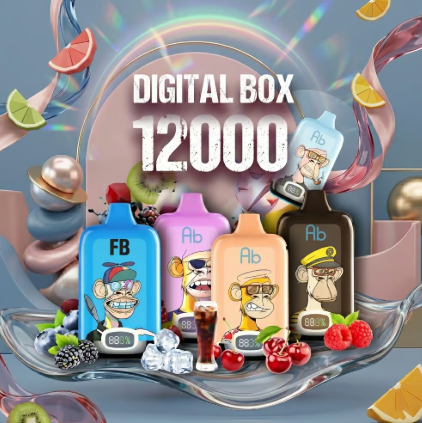
Modern disposable devices, including the 12K Vape, offer a wide variety of sweet-inspired flavors while generally using the same basic e-liquid ingredients found in many vaping products. Their fruity or dessert-like taste is created through carefully developed flavorings rather than added sugar, making them popular among adult users who enjoy flavorful vaping experiences.
What Is Inside a Vape?
Most vape liquids contain a simple combination of ingredients that work together to create vapor and flavor.
The primary ingredients include:
- Propylene Glycol (PG)
- Vegetable Glycerin (VG)
- Food-grade flavorings
- Nicotine (optional)
Each ingredient has a specific purpose.
Propylene Glycol (PG)
PG is a colorless liquid that helps carry flavor effectively. It also contributes to the throat sensation that many users experience while vaping.
Vegetable Glycerin (VG)
VG is a thicker liquid derived from vegetable oils. It is responsible for producing dense vapor clouds and has a naturally mild sweetness, but it is not the same as sugar.
Flavorings
Manufacturers use carefully selected food-grade flavorings to create popular tastes such as:
- Mango
- Blueberry
- Watermelon
- Mint
- Grape
- Vanilla
- Cola
- Mixed berries
These flavorings provide sweetness without requiring added sugar.
Nicotine
Many vape products contain nicotine in different strengths, while others are nicotine-free.
Does Vape Juice Contain Sugar?
In most cases, no.
Standard vape liquids are not made with table sugar or corn syrup.
There are several reasons why manufacturers avoid adding sugar:
- Sugar does not vaporize efficiently.
- Heating sugar can damage vape coils.
- Sugar may burn instead of producing smooth vapor.
- It can negatively affect device performance.
Instead, manufacturers rely on flavor chemistry to create enjoyable taste profiles.
Why Do Some Vapes Taste So Sweet?
This is one of the most common questions among new users.
The answer lies in the flavorings rather than actual sugar.
Flavor scientists develop combinations of ingredients that mimic familiar tastes, including:
- Fresh fruit
- Candy
- Soft drinks
- Desserts
- Ice cream
- Pastries
These flavors create the perception of sweetness without adding sugar.
Is Vegetable Glycerin the Same as Sugar?
No.
Although vegetable glycerin has a naturally sweet taste, it is chemically different from sugar.
VG is used because it:
- Produces smooth vapor
- Creates thick clouds
- Improves mouthfeel
- Balances flavor
Its mild sweetness contributes to the overall vaping experience without significantly affecting blood sugar in the way dietary sugars do.
Can Vaping Raise Blood Sugar?
Current evidence does not suggest that the flavorings themselves raise blood sugar because most vape liquids do not contain sugar.
However, nicotine may have indirect effects on the body, and people with diabetes or other medical conditions should consult a healthcare professional if they have concerns about vaping and blood sugar management.
Do Sweet Vape Flavors Cause Cavities?
Since most vape liquids do not contain sugar, they are different from sugary foods and drinks.
However, vaping can reduce saliva production in some users, leading to dry mouth. Reduced saliva may contribute to oral health issues if good dental hygiene is not maintained.
Maintaining healthy habits includes:
- Drinking water regularly
- Brushing teeth twice daily
- Flossing every day
- Visiting a dentist for routine checkups
Why Manufacturers Avoid Sugar
There are several practical reasons why sugar is not commonly used in vape liquids.
These include:
- Poor vaporization
- Burnt taste when heated
- Coil damage
- Reduced device lifespan
- Sticky residue inside devices
Using specialized flavorings instead provides a better overall vaping experience.
Common Ingredients Mistaken for Sugar
Some ingredients sound unfamiliar, leading users to believe they are forms of sugar.
Examples include:
Vegetable Glycerin
Naturally sweet but not sugar.
Propylene Glycol
Has no significant sweetness and is not sugar.
Flavor Concentrates
Designed to imitate sweet foods without containing table sugar.
Frequently Asked Questions
How much sugar is in a vape?
Most vape liquids contain little to no actual sugar. Their sweet taste usually comes from food-grade flavorings rather than added sugar.
Why do fruit-flavored vapes taste sweet?
Manufacturers use specially formulated flavorings that recreate the taste of fruits, desserts, and candies without using sugar.
Does the 12K Vape contain sugar?
Like many modern disposable vapes, the 12K Vape generally achieves its sweet flavors through flavorings and vegetable glycerin rather than added sugar. Ingredient details may vary by manufacturer, so users should always review the product label.
Can vaping affect diabetes?
Because most vape liquids do not contain sugar, they are not considered a source of dietary sugar. However, nicotine may affect the body in various ways, so individuals with diabetes should seek medical advice regarding nicotine use.
Are sweet vape flavors healthier than sugary drinks?
Sweet vape flavors should not be compared with foods or beverages. Vaping is not risk-free, and products containing nicotine can lead to dependence. Adults should use these products responsibly and understand the potential health risks.
Conclusion
Most vape products do not contain added sugar, even if they taste like fruit, candy, or desserts. Instead, manufacturers use carefully developed flavorings and ingredients such as vegetable glycerin to create enjoyable flavor profiles without relying on table sugar. This approach helps maintain device performance while delivering consistent taste.
Modern products such as the 12K Vape offer a wide variety of sweet-inspired flavors without typically using sugar as an ingredient. Nevertheless, vaping is not without risks, particularly when nicotine is involved. Adult users should choose products from reputable manufacturers, understand the ingredients they contain, and make informed decisions based on accurate information.


 By
By