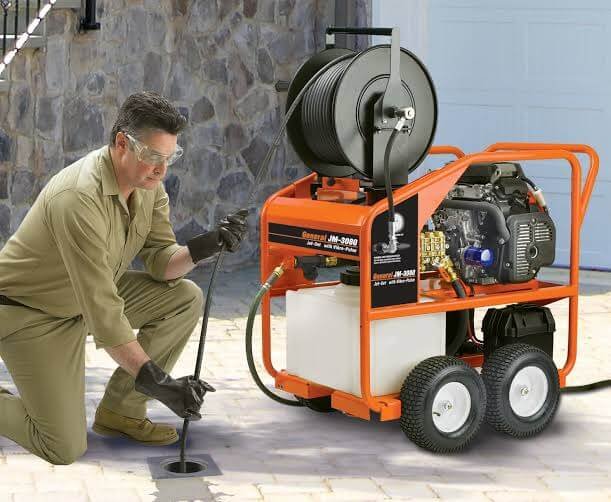

Maintaining clear and functional pipe systems is crucial for both residential and industrial settings. One of the most efficient and environmentally friendly solutions available today is the use of water jetter technology. This method has gained considerable attention due to its effectiveness in removing blockages and buildup without damaging pipe infrastructure.
Understanding Water Jetters
A water jetter is a specialised equipment designed to clean and clear plumbing pipes using high-pressure water streams. By directing powerful jets into the pipework, it dislodges debris, grease, roots, and other obstructions that conventional cleaning methods often struggle to eliminate. This technique can be employed in various pipe types and sizes, from household drainage systems to large municipal pipelines.
How Water Jetters Work
The core principle behind water jetting involves forcing water at extremely high pressures through a narrow nozzle. The water’s velocity creates a surge of force that scrapes the inside walls of pipes while flushing out contaminants. Typically, pressures can range from 1,000 psi (pounds per square inch) to over 4,000 psi, depending on the specific application and pipe condition.
The equipment generally includes a high-pressure pump, a hose, and interchangeable nozzles designed for different cleaning tasks. Operators can adjust the pressure and flow rate for optimal cleaning performance, ensuring that pipes are cleared effectively without harm.
Applications of Water Jetters
Water jetters are widely used in multiple sectors for pipe maintenance. In residential settings, they efficiently clear kitchen and bathroom drains, preventing backups and unpleasant odours. Commercial properties also benefit, as kitchen grease traps and waste pipes require regular thorough cleaning to maintain hygiene standards.
Industrial applications include cleaning process pipelines, removing scale and sludge accumulations, and maintaining sewer lines. Municipalities frequently employ water jetters for routine sewer maintenance and emergency blockage removal, thus avoiding costly excavation or pipe replacement.
Advantages over Traditional Methods
Traditional pipe cleaning techniques such as snaking or chemical treatments come with various drawbacks. Mechanical snakes or augers may fail to fully clear obstructions and might cause internal pipe damage. Chemical cleaners, meanwhile, pose environmental hazards and can degrade pipe materials over time.
Water jetters present several benefits that address these limitations:
- Non-destructive cleaning: The high-pressure water removes debris without harming pipe surfaces.
- Eco-friendly: Only water is used, avoiding harmful chemicals or solvents.
- Versatile: Suitable for different pipe materials, including PVC, clay, cast iron, and concrete.
- Efficient: Rapidly clears blockages and flushes residues away.
- Cost-effective: Reduces the need for pipe repairs and replacements.
Safety Considerations
Despite their advantages, water jetters must be operated by trained personnel as the equipment uses extremely high pressures that can cause injury or damage if misused. Appropriate protective gear and adherence to safety protocols are essential during operation.
Technological Advances in Water Jetting
Recent developments have enhanced the capabilities of water jetters. Modern models incorporate adjustable pressure settings, remote-controlled nozzles, and improved hose designs that enable operators to access difficult pipe sections without dismantling infrastructure.
Some machines offer integrated video inspection systems, allowing operators to monitor cleaning progress in real time and confirm cleanliness post-operation. These advances improve precision and efficiency, making water jetting an even more attractive option.
Cost Implications
Although the initial investment in water jetting equipment can be significant, the long-term savings justify the expense. Reduced frequency of pipe replacement, fewer emergency repairs, and minimised downtime all contribute to cost efficiency. Additionally, many service providers offer water jetting as a cost-effective maintenance service, eliminating the need for clients to purchase and maintain their own equipment.
Common Misconceptions
There is a misconception that water jetting may damage older or fragile pipes. However, with proper pressure adjustments and nozzle selection, the technique can be safely applied to a wide range of pipes. Professional assessment before commencing work ensures suitability and prevents damage.
Another misunderstanding is that water jetters only address minor blockages. In reality, water jetting is capable of removing severe obstructions such as tree roots, hardened grease, and mineral build-up, restoring pipes to near-original condition.
Environmental Impact
Using water jetters aligns well with environmentally conscious practices. Because this technique relies solely on high-pressure water, it avoids chemical pollutants commonly found in traditional treatments. Furthermore, by reducing the risk of pipe failure and leaks, water jetting helps prevent contamination of soil and groundwater.
Choosing the Right Water Jetter
Selecting an appropriate water jetter depends on the specific cleaning requirement, pipe dimensions, and material. Consulting with experienced suppliers or maintenance professionals ensures the right equipment and nozzle type are acquired, optimising cleaning results while preserving pipe integrity.
Integration into Routine Maintenance
Incorporating water jetters into regular pipe maintenance schedules can greatly extend the lifespan of piping systems. Scheduled cleaning prevents buildup accumulation and reduces the likelihood of major blockages, leading to smoother operation and fewer emergency interventions.
See also: Business Strategies for Competitive Markets
Conclusion
Water jetters represent a highly effective, safe, and eco-friendly solution for pipe cleaning across residential, commercial, industrial, and municipal settings. Their ability to clear a variety of blockages without causing damage makes them superior to many traditional methods. Organisations and homeowners seeking reliable maintenance options should consider adopting water jetter technology to ensure the longevity and optimal performance of their pipe infrastructure.


 By
By