
Industrial facilities often handle gases that can be hazardous to people, equipment, and the surrounding environment. Detecting leaks quickly is therefore an important part of maintaining a safe workplace. Traditional inspection methods may not always reveal a gas release immediately, especially when the leak is difficult to see or occurs in an inaccessible location. This is where a thermal camera for gas leak detection real time can provide valuable support for industrial inspection and monitoring.
Modern thermal imaging technology allows professionals to identify temperature differences and visualize conditions that may not be obvious to the naked eye. With advanced thermal inspection solutions from Guide Sensmart, industrial teams can improve their ability to monitor equipment, identify abnormal conditions, and respond to potential safety concerns efficiently.
Why Real-Time Gas Leak Detection Matters
Gas leaks can develop around pipelines, valves, storage systems, compressors, connections, and other industrial equipment. Even a small leak can become a serious concern if it remains undetected for an extended period.
Real-time detection helps inspection teams identify unusual conditions earlier. Instead of depending entirely on routine physical inspections, thermal imaging can provide an additional layer of visual information. This can make inspection processes more efficient while helping personnel understand what is happening around critical equipment.
Early identification can also support preventive maintenance. When abnormal conditions are discovered, maintenance teams can investigate the relevant equipment before the issue becomes more disruptive.
How Thermal Imaging Supports Gas Leak Inspection
A thermal camera detects infrared radiation and converts temperature variations into an image. Different surfaces and conditions can produce different thermal patterns, allowing inspectors to examine equipment from a new perspective.
For gas leak applications, thermal imaging can be particularly useful when the released gas produces a detectable contrast against its surroundings under appropriate conditions. Specialized thermal imaging solutions can help operators visualize potential leak areas and investigate them more efficiently.
A thermal camera does not simply replace established gas detection equipment. Instead, it can complement existing inspection procedures by providing visual information that helps personnel locate and assess suspected areas.
Advantages of Thermal Cameras in Industrial Environments
Faster Inspection
Large industrial facilities can contain hundreds or thousands of potential inspection points. Manually checking every component can take significant time.
Thermal cameras can help inspectors scan equipment from a practical distance and focus attention on areas showing unusual thermal patterns. This can make routine inspection activities more organized and efficient.
Non-Contact Monitoring
One of the important advantages of thermal imaging is its non-contact nature. Inspectors can examine equipment without physically touching hot surfaces, machinery, or potentially hazardous areas.
This can be particularly useful in industrial environments where access may be restricted or where approaching equipment too closely could introduce additional safety concerns.
Visual Identification of Abnormal Conditions
Thermal images provide a visual representation of temperature differences. This information can help technicians investigate equipment acoustic thermal camera for gas leak detection that appears different from surrounding components.
When used alongside other inspection methods, thermal information can contribute to a broader understanding of equipment conditions.
Support for Preventive Maintenance
Industrial maintenance programs increasingly focus on identifying problems before they lead to equipment failure. Thermal inspection can contribute to this approach by helping teams discover unusual conditions during scheduled inspections.
Instead of waiting for a visible equipment problem or operational interruption, technicians can investigate suspicious areas and determine whether additional maintenance is required.
Applications Across Industrial Facilities
A thermal camera for gas leak detection in real time can be useful across various industrial applications. Processing plants, energy facilities, manufacturing sites, chemical operations, and other industrial environments may benefit from thermal inspection technology.
Common inspection areas can include:
- Pipelines and connections
- Valves and fittings
- Storage and processing equipment
- Compressors and mechanical systems
- Industrial tanks
- Production equipment
- Utility systems
- Hard-to-access inspection points
The exact suitability of thermal imaging depends on the type of gas, environmental conditions, camera capabilities, distance, and other factors. Proper inspection procedures are therefore essential.
Guide Sensmart Thermal Imaging Solutions
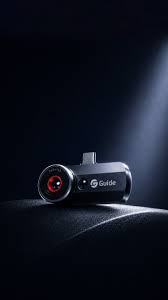
Guide Sensmart develops thermal imaging solutions designed for professional inspection and measurement applications. Its thermal cameras can provide detailed infrared imagery that helps users investigate temperature differences and identify unusual thermal patterns.
For industrial professionals, selecting a thermal camera involves considering factors such as thermal sensitivity, image quality, measurement functions, operating range, portability, and environmental durability. Guide Sensmart solutions are designed to support different professional inspection requirements, making thermal imaging more accessible for industrial applications.
When using thermal cameras for gas-related inspection, operators should also follow the manufacturer’s specifications and established workplace safety procedures.
See also: Business Strategies for Competitive Markets
Improving Inspection Efficiency With Thermal Technology
Real-time thermal inspection can change the way industrial teams approach equipment monitoring. Instead of waiting for an obvious failure or relying only on periodic manual checks, technicians can use thermal imaging as part of a proactive inspection strategy.
For example, an inspector can scan a section of equipment, identify an unusual thermal pattern, record the image, and forward the finding to the maintenance team for further investigation. This creates a documented inspection process that can support maintenance planning.
Thermal images can also be useful for comparing equipment conditions over time. Repeated inspections may help teams identify changes that deserve additional attention.
Safety Considerations for Gas Leak Detection
Thermal imaging should be used as part of a comprehensive industrial safety program rather than as the only method of detecting hazardous gases. Different gases have different physical and optical properties, and not every leak will necessarily be visible through thermal imaging.
Personnel should use appropriate gas detection systems, protective equipment, site-specific procedures, and other established safety controls when required. Camera specifications and operating limitations should also be reviewed before conducting an inspection.
Training is equally important. A thermal image can contain valuable information, but interpreting it correctly requires an understanding of emissivity, environmental conditions, reflections, distance, and other thermal factors.
Choosing the Right Thermal Camera
When selecting a thermal camera for industrial inspection, professionals should evaluate the requirements of their specific application. Important considerations include thermal resolution, temperature measurement accuracy, sensitivity, image storage, display quality, portability, and durability.
For gas leak inspection, users should additionally verify whether the selected camera is appropriate for the intended gas detection application. The operating environment should also be considered, particularly when inspections take place around high-temperature machinery, outdoor installations, or difficult-to-access equipment.
Guide Sensmart provides professional thermal imaging options that can support different inspection requirements. Choosing a suitable model based on actual application needs can help ensure that thermal information is useful and reliable.
The Future of Industrial Thermal Inspection
As industrial facilities continue adopting smarter inspection technologies, thermal imaging is becoming an increasingly useful tool for real time gas detection thermal camera maintenance and safety teams. Modern cameras can provide clearer thermal images, easier measurement, and improved portability compared with older inspection equipment.
The combination of thermal imaging, digital reporting, and preventive maintenance practices can help organizations create more structured inspection programs. For facilities where gas-related risks are present, real-time thermal monitoring can provide another valuable source of information for identifying suspicious conditions.
Conclusion
A thermal camera for gas leak detection in real time can play an important supporting role in modern industrial safety and maintenance. By providing non-contact thermal information, these cameras can help professionals inspect equipment, identify unusual conditions, and investigate potential problem areas more efficiently.
With professional thermal imaging solutions from Guide Sensmart, industrial teams can incorporate advanced infrared inspection into their existing maintenance and safety procedures. When combined with appropriate gas detection equipment, trained personnel, and established safety practices, thermal imaging can contribute to a more proactive and informed approach to industrial inspection.

 By
By