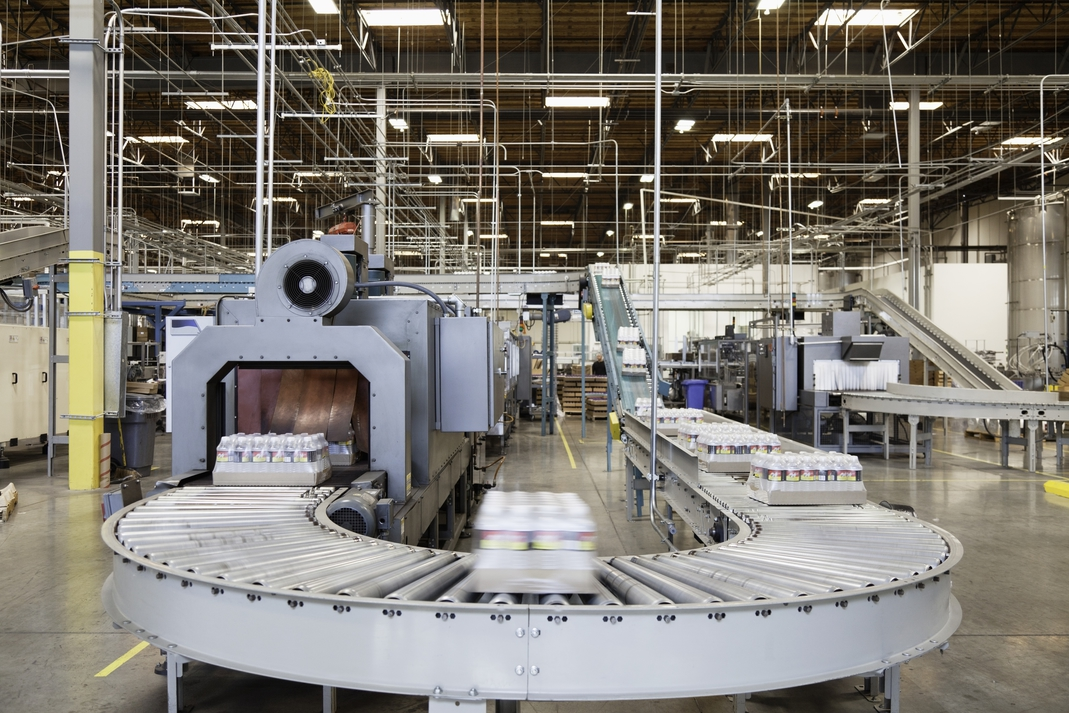

A conveyor system looks straightforward once it’s running. Boxes move, product flows, nobody thinks twice about it. Getting to that point is a lot less simple than the finished result suggests, and it’s usually where operators discover whether they picked the right installer. A good conveyor installation company does a lot more than bolt sections together and plug it in, and knowing what that actually involves makes it easier to tell a solid quote from one that’s cutting corners.
Conveyor installation sits at the intersection of mechanical work, electrical integration, and building layout, which is exactly why it goes wrong more often than people expect. Each of those pieces has to line up, and a mistake in one usually shows up as a problem in another.
Planning Comes Before Any Steel Gets Installed
The installers who do this well spend real time on planning before anything shows up on site. That means confirming the layout actually fits the building, not just on paper, but accounting for column placement, overhead clearance, and existing racking or equipment that the conveyor line needs to work around.
This is also where throughput requirements get tested against the physical design. A layout that looks fine in a drawing can bottleneck badly in practice if merge points, incline sections, or curve transitions weren’t sized for the volume the facility actually needs to move. Catching that on paper is inconvenient. Catching it after installation is expensive.
Power requirements need to be mapped out at this stage too. Conveyor systems, especially ones with sortation or multiple drive motors, pull more electrical load than people often assume, and running out of capacity mid-installation means a delay while additional electrical work gets scheduled.
What Happens During the Actual Installation
Once planning is locked in, installation itself follows a fairly predictable sequence, though the details shift depending on whether it’s a straight conveyor line, a sortation system, or something more complex like a pick module feeding multiple zones.
Structural supports and framing go in first, anchored to the floor or hung from the building’s steel, depending on the design. This step needs to match the building’s actual load capacity, not just the conveyor manufacturer’s spec sheet, since a facility’s floor slab or ceiling structure may have its own limitations that weren’t obvious until someone checked.
Mechanical components come next: rollers, belts, drive units, and any curves or inclines specified in the design. Alignment matters enormously here. A conveyor that’s slightly out of level or misaligned at a joint doesn’t fail immediately, but it wears unevenly, jams more often, and needs more maintenance than a system that was installed correctly the first time.
Electrical and controls integration ties the mechanical system to the software running it, whether that’s a simple on-off system or something coordinated with a warehouse control system managing sortation logic. This is a stage where installers with real mechanical installation company experience tend to separate themselves from crews that only know the mechanical side, since a conveyor system that isn’t properly integrated with its controls can run, but it won’t run the way it’s supposed to.
Testing Is Not Optional, Even When the Timeline Is Tight
A conveyor system that’s been installed correctly still needs to be tested under real conditions before it goes into full production use. This means running product through it, checking speed and spacing at merge points, confirming sensors and safety systems are triggering properly, and watching for any mechanical issues that only show up under load.
Skipping or rushing this step is a common way installations go wrong, usually because a facility wants to get the system running to hit a go-live date. The problem is that issues caught during testing are relatively cheap to fix. The same issues discovered after the system is fully operational, with product flowing and staff depending on it, are disruptive and far more expensive to address.
Testing should also include checking how the conveyor interacts with everything around it. If the system connects to existing racking, staging areas, or another automation component, those integration points need their own verification, not just an assumption that everything will work because each piece was tested independently.
Why Installation Quality Affects More Than the Conveyor Itself
A poorly installed conveyor doesn’t just create problems for the conveyor. It affects everything downstream of it. Jams slow down the whole facility, uneven wear leads to more frequent maintenance calls, and a system that wasn’t properly integrated with controls can create bottlenecks that look like a staffing problem when they’re actually a mechanical one.
This is part of why conveyor installation often works better as part of a larger facility plan rather than a standalone project bolted onto an existing building without much coordination. When conveyor installation is planned alongside racking, electrical, and structural work through design build construction, the layout gets built around how the conveyor actually needs to move product, instead of the conveyor being squeezed into a space that wasn’t designed with it in mind.
There’s a cost argument here too. Coordinating conveyor installation with the rest of a facility build usually costs less overall than installing it separately afterward, since structural and electrical work can be done once instead of retrofitted later.
Questions Worth Asking Before You Sign a Contract
A few questions tend to reveal whether an installer actually understands industrial equipment installation services or is treating conveyor work like a generic mechanical job. Do they walk the site and verify layout assumptions before installation starts, or work purely off drawings? Do they have a documented testing process, or is testing an informal step at the end? And do they coordinate directly with electrical and controls teams, or expect the facility to manage that integration separately?
If you’re planning a conveyor installation, whether it’s a new line or a retrofit into an existing facility, it’s worth having these questions answered before committing to a timeline or a price. You can contact us to talk through your layout and throughput needs before anything gets scheduled.
The Difference Between a Working System and a Reliable One
Almost any conveyor system can be made to run for a demo or an initial walkthrough. The real test is whether it’s still running the way it should six months later, without excessive maintenance calls or unexpected downtime. That difference comes down to whether the planning, alignment, and controls integration were handled properly the first time, not whether the system looked fine on installation day.


 By
By