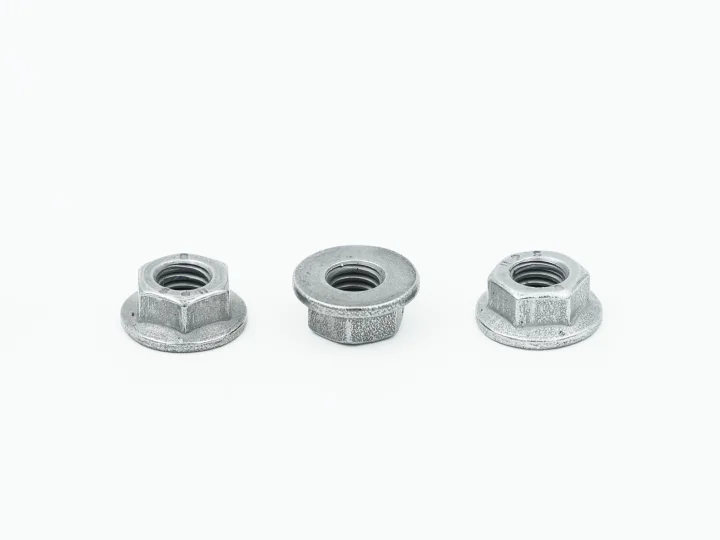

In any engineered structure, even pressure and alignment can decide the integrity of performance. Yet, small fasteners often determine that success. The stability of machinery, vehicles, and assemblies depends on balanced fastening solutions. Understanding what distributes a load correctly can prevent premature wear, mechanical stress, and long-term performance loss in demanding environments.
A flange nut plays an essential role when even load distribution becomes crucial. Its integrated base provides a larger bearing surface that spreads the pressure effectively. This design reduces movement and delivers secure fastening without the need for extra washers. By ensuring uniform tension, a flange nut helps maintain connection integrity even under repeated stress.
Where Standard Fasteners Falter Under Pressure
Concentrated Stress Causes Strain: Conventional nuts grip tightly but push pressure into limited zones. Over time, those areas fatigue faster, especially under vibration. Increased stress often leads to thread damage or early loosening, creating instability that affects overall safety. This strain becomes a hidden risk in high-stress assemblies.
Unbalanced Contact Breeds Misalignment: When pressure isn’t distributed evenly, parts may tilt or misalign slightly. Even a small uneven force can shift welded joints or create unwanted tension. Engineers notice that continual distortion causes small variations that gradually reduce precision, forcing premature servicing or replacement.
Dependence on Extra Components: Standard nuts often demand washers for compensation. This increases the component count and introduces tolerance errors during assembly. In production setups where accuracy and timing matter, every additional piece raises costs and reduces operational efficiency at scale. Effective design should eliminate these dependencies naturally.
What Changes When Load Is Evenly Distributed
Improved Surface Stability: Balanced load distribution produces a secure and predictable fastening zone. The increased spread of tension prevents surface indentation and local deformation. This improves long-term balance, maintaining design geometry in static and dynamic loads where pressure peaks frequently occur. Stability also helps prevent frequent retightening.
Consistent Performance Under Vibration: Equipment that operates under cyclic vibration needs dependable fastening. A balanced load allows the nut to hold firm, reducing loosening risk. When vibration unity improves, downtime reduces significantly. This stability results in lower maintenance cycles and less hardware fatigue over time.
Strength Through Shape: The circular flange creates friction across a wider footprint, which increases resistance against rotation. This mechanical advantage adds functional strength without needing more torque. The flange effectively serves both as a nut and washer combined, simplifying the application without losing performance strength in operation.
Why the Flange Design Excels in Demanding Conditions
Reduced Tooling Complexity: The inbuilt flange removes the need for separate washers. This simplicity saves valuable seconds during field assembly. Combined with consistent bearing surfaces, it gives workers more control during tightening. Better torque control ensures that the fastener behaves predictably without causing localised stress failures.
Reliability in Heavy-Duty Applications: Whether used in structural systems or automotive mounts, flange designs guarantee better reliability. The secure clamping force ensures continuous function even under heavy vibration. Simplifying parts without compromising strength remains the key advantage in such demanding installations.
Precision Through Engineering Standards: Each flange nut follows precise torque specification ranges determined by material grade. Meeting these established parameters reduces the risk of over-tightening or shearing. Quality-controlled production allows consistent thread performance, helping industries reduce inconsistency at scale and assuring product safety over extended use.
Design Contributions that Enhance Operational Efficiency
Improved Assembly Productivity: A single integrated fastener that requires fewer components naturally speeds up production workflows. Reducing the need for washers limits inventory management and ensures fewer fitting errors. When operators use fewer motions per fitting, productivity and accuracy both increase across assembly lines.
Reduced Component Fatigue: Evenly distributed pressure extends the life of adjoining materials. By preventing micro-cracks and friction burns, flange designs maintain surface quality longer. This durability helps avoid corrosion at the connection point, providing steady operational reliability across repeated tightening cycles.
Predictable Maintenance Cycles: When load distribution is balanced, inspections and replacements become scheduled rather than reactionary. Uniform tension helps retain specified preload levels for longer intervals. Systems that use them consistently experience reduced downtime and improved budgeting accuracy in maintenance programs.
Technical Gains Beyond Structural Soundness
Enhanced Corrosion Resistance: Many high-performing flange nuts come treated with anti-corrosive coatings. These finishes safeguard threads and edges from oxidation and chemical exposure. Such protective layering directly benefits components used in outdoor or marine engineering spaces where environmental stress is a constant issue.
Versatility Across Materials: Flange nuts function equally well on stainless steel, aluminium, or treated substrates. The adaptability across surface types limits slippage under vibration. By creating steady friction, operators achieve confidence in varied setups. This flexibility also supports use in precision systems or high-torque fastening environments.
Key Reasons Professionals Choose Flange Nuts
- Integrated washer design simplifies assembly and reduces component count.
- Wider contact area ensures even distribution and lowers surface damage.
- Reduced looseness under vibration improves operational stability.
- Consistent contact pressure supports high-load endurance and torque balance.
- Compact design reduces weight while maintaining superior tensile strength.
Performance Meets Practical Innovation
Optimised Force Management: Equal tension throughout the fastened area enhances safety margins. This geometry balances torque application, supporting the surrounding structure efficiently. The presence of a uniform load reduces damage risk, creating predictable fastening that retains original design precision for extended periods.
Precision Engineering in Action: Manufacturing each flange nut requires controlled material composition selection and heat treatment. This process ensures mechanical integrity that withstands temperature variation and friction challenges. Such precision offers manufacturing reliability for industries demanding stable, high-quality fastening under real-world stress.
Reducing Energy Loss: Even distribution reduces unwanted movement or frictional energy loss. When contact surfaces remain stable, operating vibration decreases. Reduced energy waste translates directly into smoother equipment functioning and improved balance throughout mechanical systems across prolonged operational cycles.
See also: Common Address Data Problems in the UK and How to Fix Them
Building Reliability from the Smallest Detail
Mechanical reliability often begins with the smallest component. A flange nut can change the outcome of an entire assembly simply by sharing stress efficiently. Its design saves time, supports precision, and extends operational lifespan. For professionals seeking stability and performance under pressure, this practical fastening solution sets the right foundation for lasting results. Start using properly engineered components to see measurable change in your assemblies.


 By
By