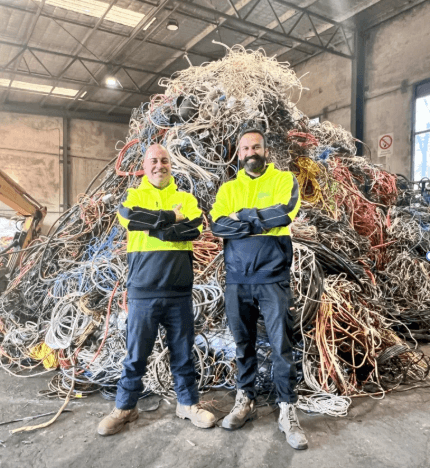
Metal waste generated from most businesses piles up faster than they expect. Effects from manufacturing, old equipment, and pipes pulled from a renovation project can pile up quickly. Most businesses look for a “scrap yard near me” to dispose of the waste. But what happens once the metal leaves your site? Knowing this is important as it can save you from making poor decisions, missing revenue and the metal ending up in a landfill. So let us have a look at how scrap yards work and why it matters for most businesses.
What a Scrap Yard Actually Does
If you search for a “scrap yard near me”, you will see that it is a facility that collects, sorts, processes and even sells metal waste for recycling so that the material gets back into the supply chain. The process is not as simple. There is a lot involved, like weighing systems, sorting stations, compliance requirements, and processing equipment.
Metals are separated into two categories:
Ferrous metals: Metals that contain iron, such as steel and cast iron, are the most common scrap items. They are magnetic, hence their sorting becomes easier. These metals are generally used in construction, manufacturing and automotive industries.
Non-ferrous metals don’t contain iron, like aluminium, brass, copper, lead, and stainless steel. The materials are worth more per kilogram and also require a different type of processing.
This separation is extremely important and makes up a big part of what a scrap yard does. Sorted loads get better prices.
The Journey of Metal Through a Scrap Yard
The metal arriving at a scrap yard goes through a fairly consistent sequence. First, the gross weight of the vehicle is recorded, and then the Tare weight after unloading. This gives the net weight of the material and decides the payment. The material is then inspected and graded. Not all steel is the same, and not all copper is the same. Coatings, contamination, and mixed alloys all affect the grade of the metal, which later affects the price.
Then comes the processing, which includes shearing, shredding, baling, or cutting, depending on the type of metal and what the buyer needs. This is because a steel mill buying shredded scrap has different specifications than an export buyer loading a shipping container.
The metal is then either sold to domestic manufacturers or exported. Australia also ships a significant volume of scrap metal to other countries that have a high demand for recycled feedstock. Ferrous scrap is one of the most valuable metal export categories of Australia.
Why This Matters for Your Business
If you are not managing the metal waste your business generates through a proper scrap yard, you are likely paying more for disposal. Commercial and construction sites often have metal waste that holds real value, such as aluminium offcuts from a workshop, copper wiring from an electrical job, or steel from a demolition. These materials are worth a lot of money. A reputable scrap yard will pay you a reasonable price and also not charge you to pick it up.
Then comes the compliance angle. Businesses in Australia are expected to manage waste responsibly under the state environment protection legislation. Improper disposal of metal waste can create liability. Hence, businesses should work with a licensed scrap yard that gives them a documented, compliant disposal pathway.
Recycling metal uses far less energy than producing it from raw ore. This is because every tonne of scrap that goes through a scrap yard is material that does not need to be smelted, mined, and processed from scratch. As reported by the Australian Aluminium Council, recycling aluminium requires around 95% less energy than primary production.
See also: From Startup to Scale: Building a Business Around DTF Transfer Printing
What Commercial Sites Need to Know Before They Call
However, there is no one-size-fits-all model for each scrap yard, nor will each load suit each yard.
Where larger commercial or industrial facilities are concerned, including construction, manufacturing facilities, demolition companies, and industrial fit-outs, the nature of their scrap is such that they would be best off dealing with a scrap yard straight up. This makes logistical sense.
When it comes to smaller residential amounts, however, things become more complicated. With a couple of loads of scrap material from a household clearance, it won’t always make economic sense for the scrap yard to collect. In these instances, the material might have to be brought to the scrap yard on its own.
The bottom line is: does the quantity and type of scrap material fall within the purview of a commercial recycling company?
Getting It Right From the Start
It is important to pick the appropriate scrap yard. Consider scrap yards that have transparency regarding their metal grading process, provide reasonable prices, and are able to deal with the particular type of metal that your business produces.
In case you do not know which scrap yard to use, SRS Metals operates with many companies in Australia in relation to scrap metal collection and exporting. Reach out directly at enquiries@srsmetals.com.au to discuss what you’re working with.
Getting the right setup in place from the beginning saves time, reduces costs, and keeps your waste management above board.


 By
By