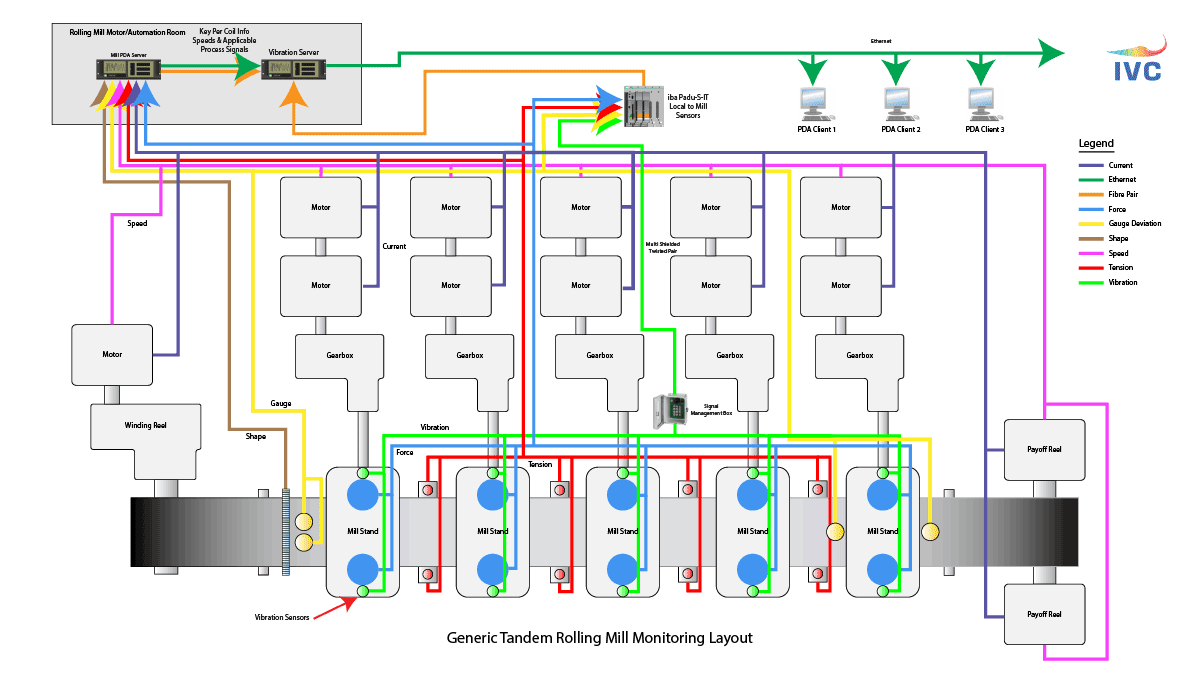

The modern manufacturing environment is changing rapidly as businesses adopt connected technologies to improve productivity, reliability, efficiency, and decision-making. At the center of this transformation is the smart factory, where machines, sensors, software, and employees work together through connected digital systems. Remote monitoring has become one of the most valuable technologies supporting this transition because it allows organizations to observe equipment and production processes without requiring personnel to be physically present at every machine. By collecting information from connected assets and making it available through centralized platforms, remote monitoring can provide continuous insight into equipment condition, production performance, energy consumption, and emerging operational problems.
Real-Time Visibility into Factory Operations
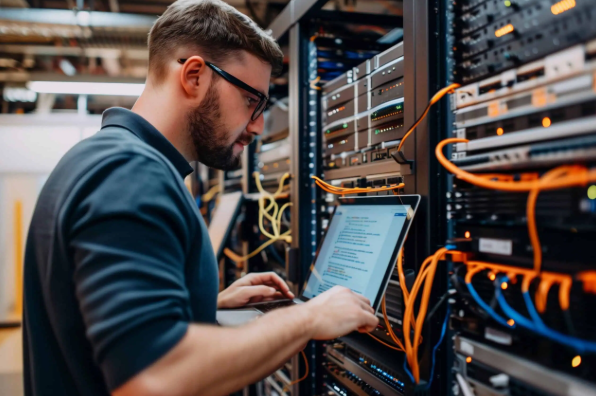
One of the greatest advantages of remote monitoring is the ability to provide real-time visibility into equipment and production processes. Traditional factory inspections often depend on employees physically checking machines at scheduled intervals, which means problems can develop between inspections without being noticed. Connected sensors can continuously collect information such as vibration, temperature, pressure, speed, energy consumption, and operating status, allowing teams to monitor equipment from a central location.
This creates a more complete picture of what is happening across the factory at any given moment. When measurements move outside expected ranges, monitoring systems can generate alerts that draw attention to potential problems. Managers and maintenance professionals can therefore identify abnormal conditions sooner and investigate them before they develop into major disruptions.
Transforming Maintenance Through Predictive Insights
Remote monitoring is particularly powerful when it is used to support predictive maintenance. Equipment rarely fails without showing some form of deterioration beforehand, and connected monitoring systems can identify changes that indicate developing faults. Vibration measurements, for example, can reveal imbalance, misalignment, bearing wear, looseness, or gear problems, while temperature data can highlight overheating caused by friction, excessive loads, poor lubrication, or electrical abnormalities.
When this information is collected continuously, maintenance teams that use remote vibration monitoring systems can identify trends and establish a baseline for normal equipment behavior. Advanced analytics can then compare new measurements with historical data and highlight deviations that may require attention. This allows organizations to move away from purely reactive maintenance, where repairs occur after failures, and fixed preventive schedules, where components are serviced regardless of their actual condition. Predictive maintenance enables interventions to be planned according to equipment health.
Connecting Data, Analytics, and Decision-Making
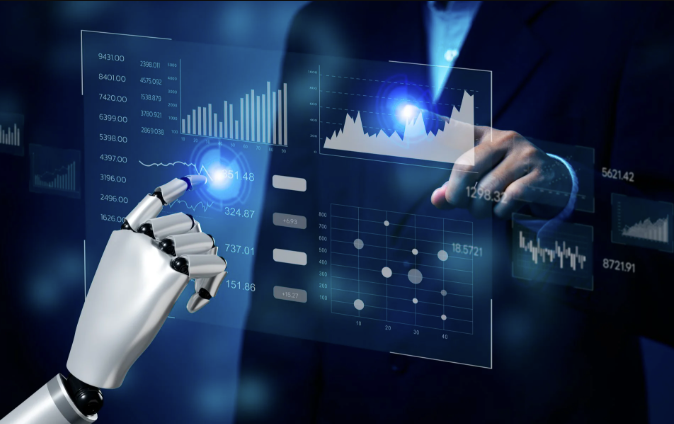
The smart factory depends not simply on collecting data but on turning that information into useful decisions. Remote monitoring platforms can serve as an important connection between physical equipment and digital analytical systems. Data collected from machines can be stored, organized, and analyzed using cloud platforms, edge computing technologies, artificial intelligence, and machine-learning applications. These tools can identify patterns across large volumes of information and help organizations understand relationships between equipment behavior, production conditions, and maintenance events.
For example, a factory may discover that particular operating conditions consistently contribute to increased vibration or temperature in a specific machine. Identifying such relationships can help engineers modify operating procedures, improve maintenance practices, or address underlying equipment design issues. Centralized dashboards can also make information easier to access for managers, engineers, and technicians, ensuring that different teams are working from the same operational picture.
Improving Efficiency, Safety, and Sustainability
Remote monitoring can deliver benefits that extend beyond maintenance and equipment reliability. By continuously tracking production and asset performance, smart factories can identify opportunities to reduce energy consumption, minimize waste, and improve resource utilization. Equipment operating under abnormal conditions may consume more energy or produce inconsistent output, and monitoring systems can help identify these inefficiencies.
Corrective action can then improve both productivity and sustainability. Remote monitoring can also contribute to workplace safety by reducing the need for employees to perform routine inspections in areas containing moving machinery, elevated temperatures, excessive noise, or other hazards. Workers can review equipment information remotely and approach machinery only when a physical inspection or intervention is genuinely required. In addition, early detection of abnormal conditions can reduce the likelihood of catastrophic equipment failures that could create safety risks.
Remote monitoring is becoming a defining technology of the smart factory because it connects physical equipment with the digital information needed to manage modern industrial operations effectively. Real-time visibility allows manufacturers to identify abnormalities sooner, while predictive insights can transform maintenance planning and reduce unexpected downtime. When combined with advanced analytics, remote monitoring also helps organizations understand complex relationships between equipment performance, production conditions, energy consumption, and maintenance requirements. Additional benefits include improved workplace safety, more efficient resource use, and stronger support for sustainability objectives.


 By
By